
Full Lineup Brand Comparison · 2026
BLUETTI vs EcoFlow Portable Power Stations (2026).
An unbiased tier-by-tier comparison across entry 256–768Wh camping boxes, 1kWh workhorses, and 2kWh–4kWh whole-home backup ecosystems—grounded in listed specs and real buyer failure patterns.
Symmetric Brand Verdict
Choose BLUETTI vs EcoFlow based on your top constraint.
Choose BLUETTI when higher base watt-hour density (AC180’s 1,152Wh), gentler low-load fan acoustics, and 3,500-cycle LFP value lead your priorities. Choose EcoFlow when sub-hour AC fast charging, lighter carrying weights (DELTA 2 at 27 lb / DELTA 2 Max at 50.7 lb), and seamless add-on battery expansion matter most.
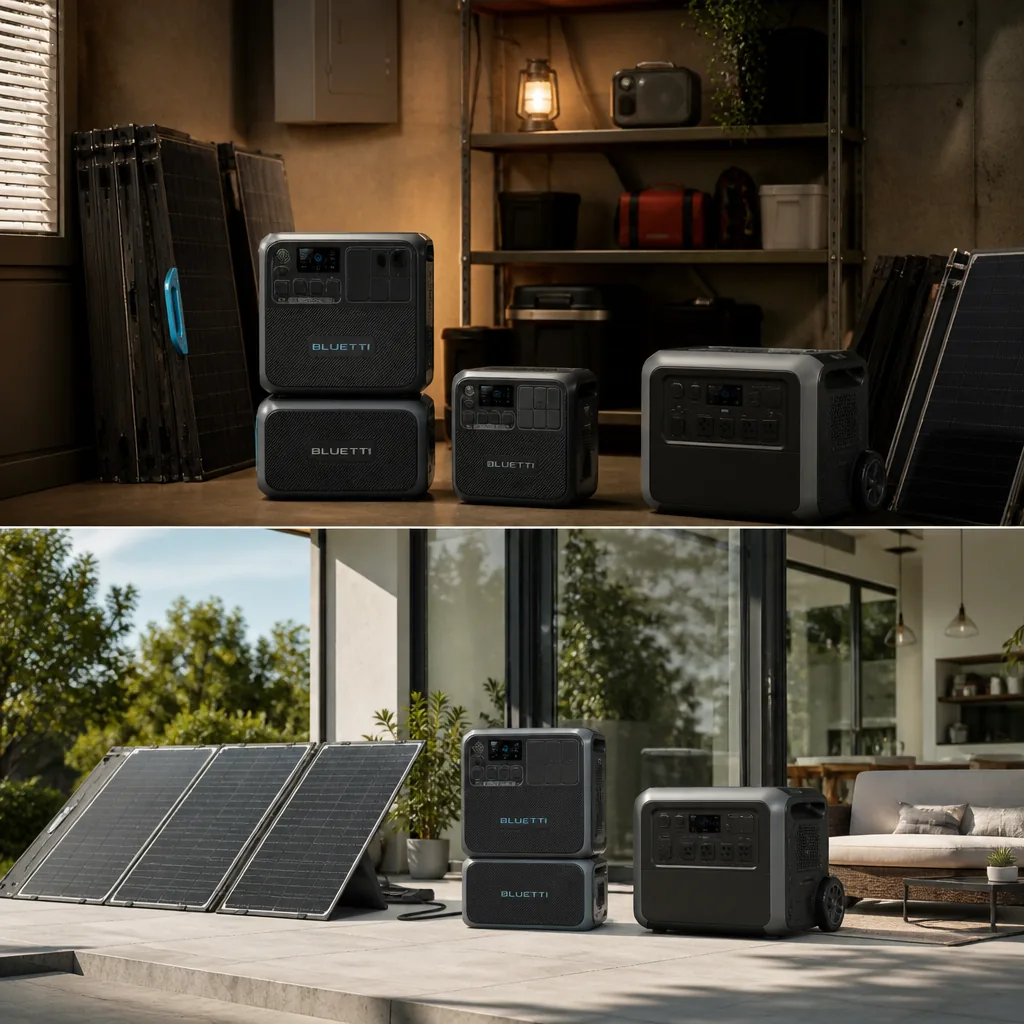
6-Dimension Category Balance
How BLUETTI and EcoFlow trade wins across six buyer benchmarks.
Full Lineup Mapping
Equivalent BLUETTI & EcoFlow models across every capacity bracket.
| Buyer Tier | BLUETTI Equivalent | EcoFlow Equivalent | Core Trade-Off |
|---|---|---|---|
| Ultra-Light / Trail | EB3A (268Wh · 600W · 10.1 lb) | River 2 (256Wh · 300W · 7.7 lb) | EB3A doubles AC watts (600W vs 300W); River 2 shaves 2.4 lb. |
| 1kWh Core Workhorse | AC180 (1,152Wh · 1,800W) | DELTA 2 (1,024Wh · 1,800W · 27 lb) | AC180 brings +128Wh base energy; DELTA 2 expands cleanly to 3kWh. |
| 2kWh Heavy Camp / RV | AC200L (2,048Wh · 2,400W · 62.4 lb) | DELTA 2 Max (2,048Wh · 2,400W · 50.7 lb) | AC200L adds 3,500+ cycles; DELTA 2 Max carries 11.7 lb lighter. |
| 3kWh–4kWh Home Backup | AC500 + B300S (3,072Wh · 5,000W) | DELTA Pro 3 (4,096Wh · 4,000W) | AC500 scales ultra-high output; DELTA Pro 3 simplifies 120V/240V integrated transport. |
Direct Model Matchups
Side-by-side tier battles from trail packs to 2kWh home stations.
Entry Sub-800Wh
Entry Tier: BLUETTI EB3A (268Wh) vs EcoFlow RIVER 2 Pro (768Wh)
At the light camping end, BLUETTI EB3A focuses on a tiny 10.1 lb emergency grab box with a 600W inverter (1,200W surge), whereas EcoFlow RIVER 2 Pro jumps to 768Wh at 17.2 lb for multi-day 12V fridge and laptop autonomy.
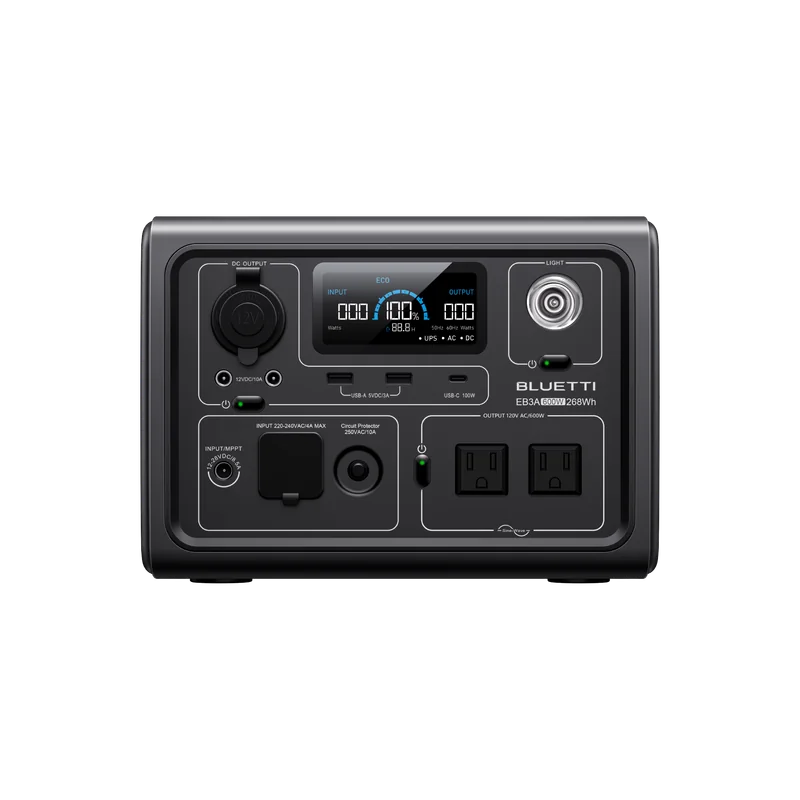
Bluetti EB3A Portable Power Station
268Wh · 600W AC · LiFePO4
Compact 10.14 lb trail footprint with full 600W inverter; short ~228Wh usable window suits overnight phones and routers.
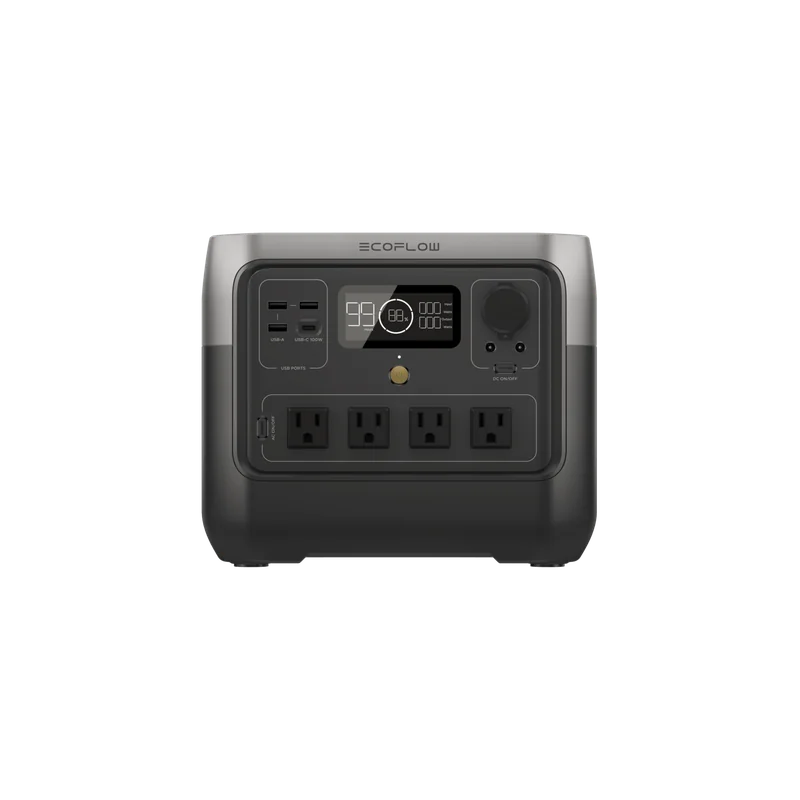
EcoFlow River 2 Pro Portable Power Station
768Wh · 800W AC · LiFePO4
Triples battery runtime to ~653Wh usable LFP energy and adds 800W AC ceiling while staying light at 17.2 lb.
Core 1kWh Workhorse
Core 1kWh Matchup: BLUETTI AC180 vs EcoFlow DELTA 2
Unlike EcoFlow DELTA 2, which stops at 1,024Wh base storage unless you buy an external add-on battery, BLUETTI AC180 packs 1,152Wh out of the box—though DELTA 2 counters with a 27.0 lb chassis and sub-hour AC fast charging.
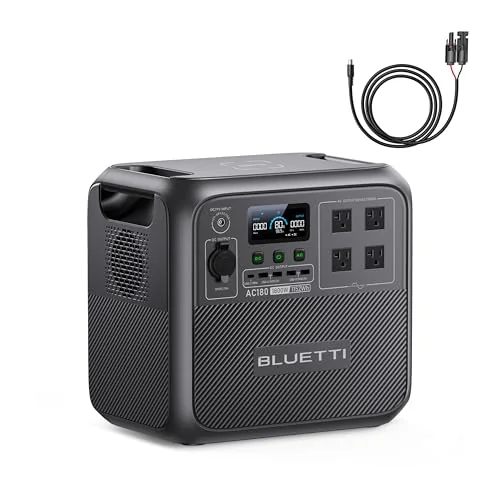
BLUETTI AC180 Portable Power Station
1,152Wh · 1,800W AC · LiFePO4
Verified Amazon 4.5★ rating across 2,660 buyer reviews; 1★ buyer reports flag sustained 10A 12V car-socket heat under heavy coolers.

EcoFlow DELTA 2 Portable Power Station
1,024Wh · 1,800W AC · LiFePO4
Flexible 1,024Wh -> 3,040Wh expansion and sub-hour wall recharge, though thermal fans spin loudly above ~800W charge draw.
2kWh Heavy Backup
2kWh Expandable Matchup: BLUETTI AC200L vs EcoFlow DELTA 2 Max
At 2,048Wh and 2,400W continuous AC (4,800W surge), BLUETTI AC200L leans toward heavier 30A RV/cabin duty (62.4 lb, 3,500+ LFP cycles), while EcoFlow DELTA 2 Max trims carry mass to 50.7 lb with dual 500W MPPT solar channels.
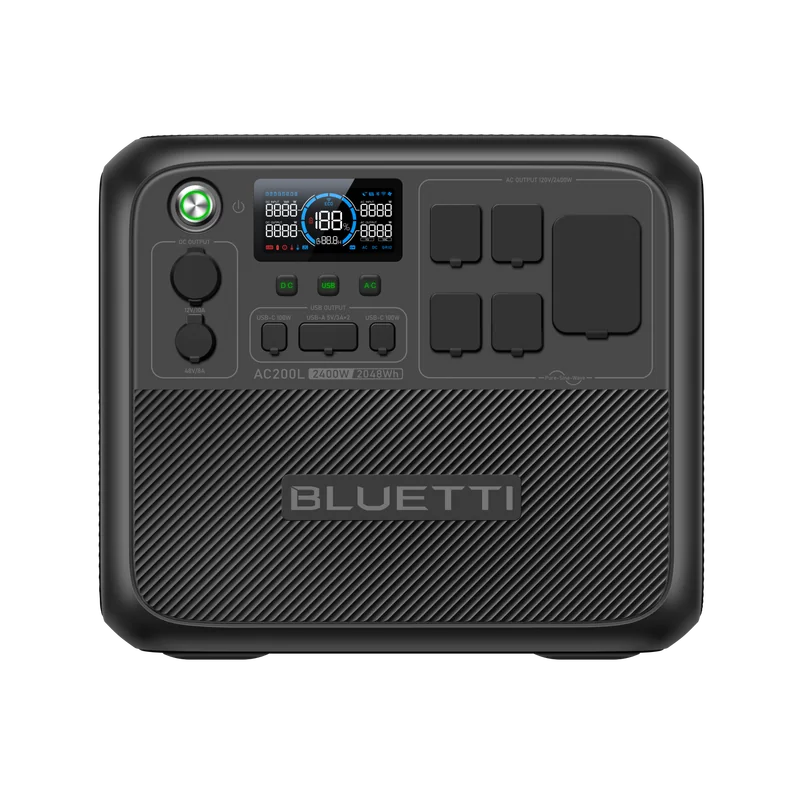
Bluetti AC200L Portable Power Station
2,048Wh · 2,400W AC · LiFePO4
Higher 3,500+ LFP cycle rating and RV-friendly high DC/AC output, at an unwheeled 62.4 lb stationary carry weight.
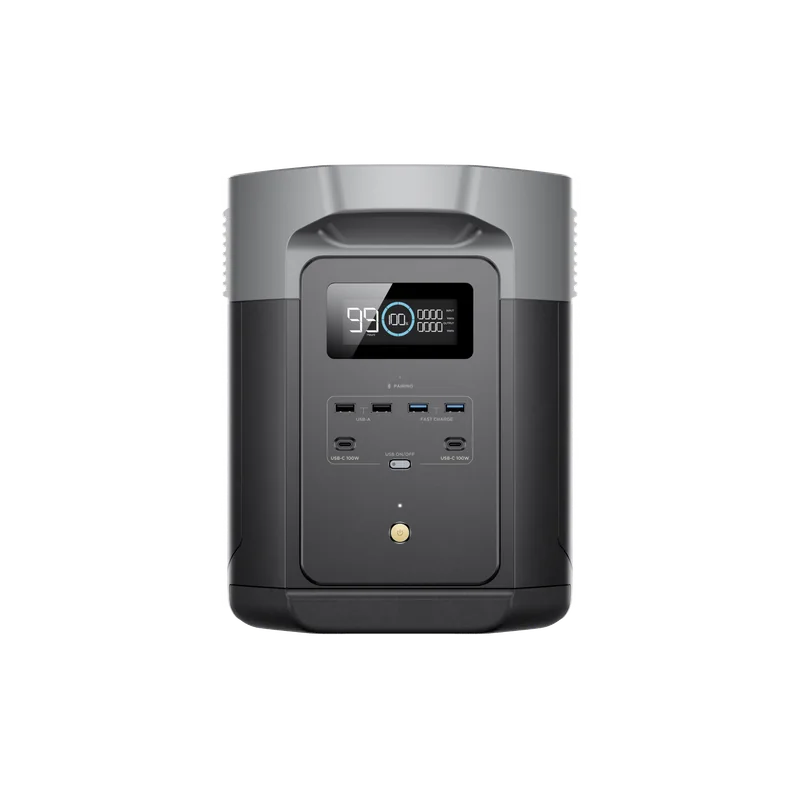
EcoFlow DELTA 2 Max Portable Power Station
2,048Wh · 2,400W AC · LiFePO4
Saves ~11.7 lb off trunk loading while keeping full 2,400W AC and 1,000W dual-input solar recovery for emergency outages.
6-Month Ownership Reality
Common long-term buyer friction on both ecosystems.
BLUETTI Watchouts
Verified 1★–3★ buyer reports on AC180 flag heat buildup in 12V DC car cigarette-lighter sockets during continuous high-current draw, alongside multi-tier SKU suffix confusion (e.g., AC180 vs AC180P) when ordering online.
EcoFlow Watchouts
EcoFlow owners consistently praise app telemetry and fast charging, while most complaints center on aggressive fan volume above 800W AC charging/inversion and proprietary expansion-battery cable costs across generations.
| Your Priority | Recommended Pick | Alternative Worth Checking |
|---|---|---|
| Quiet indoor CPAP + >1,100Wh value | BLUETTI AC180 | BLUETTI AC70 (lighter 22.5 lb) |
| Fast recharge + scalable to 3kWh | EcoFlow DELTA 2 | Anker SOLIX C1000 |
| Lighter 2kWh camping & 1,000W solar | EcoFlow DELTA 2 Max | BLUETTI AC200L |
Does BLUETTI or EcoFlow have longer LiFePO4 battery longevity?
Across mainstream LiFePO4 lineups, BLUETTI generally rates 2,500 to 3,500+ cycles to 80% remaining capacity (AC180, AC200L, AC500), while EcoFlow rates 3,000 cycles on DELTA 2 / DELTA 2 Max and up to 4,000 cycles on DELTA Pro 3. Both deliver 8–10+ years of weekend usage.
Which brand is quieter inside a bedroom or campervan?
BLUETTI models typically maintain gentler fan curves during Silent charging modes compared with EcoFlow’s faster turbo wall charging, though EcoFlow’s app lets you throttle AC charge wattage down to reduce thermal fan RPM overnight.
Why does BLUETTI AC180 hold more watt-hours than EcoFlow DELTA 2?
AC180 uses a 1,152Wh cell bank compared with DELTA 2’s 1,024Wh pack—giving AC180 roughly 109Wh more deliverable energy at 85% inverter efficiency without adding expansion hardware.
Which brand should RV owners pick for solar panel compatibility?
Always match open-circuit voltage (Voc) in cold morning sun against the station’s Voc ceiling. Both brands use XT60/MC4 solar cables cleanly, while BLUETTI AC200L and EcoFlow DELTA Pro tiers allow higher PV arrays for rapid off-grid recovery.